

Let's Talk About Creatine
The most researched supplement you are probably underestimating

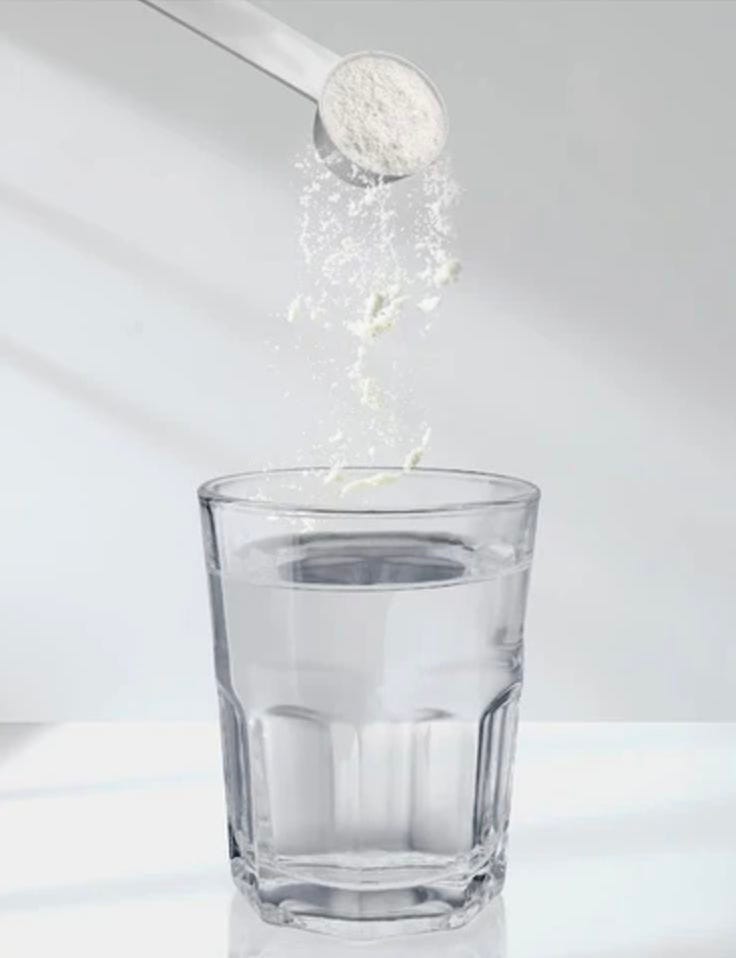
Creatine has entered the chat again. Depending on who you ask, it is either a gym bro staple, a miracle supplement, or something people quietly side-eye without really knowing why. That curiosity is what inspired this post, because creatine monohydrate is not trendy science. In fact, creatine monohydrate is one of the most researched dietary supplements in existence, with decades of data across athletic performance, muscle health, aging, cognition, and clinical populations. And yet, it is still widely misunderstood.
So let’s break it down.
What is Creatine?
Creatine is a naturally occurring compound made from the amino acids glycine, arginine, and methionine. Your body produces it on its own, and you also get small amounts from foods like red meat and seafood.
About 95% of the creatine in your body is stored in skeletal muscle, where it plays a critical role in energy production. Specifically, creatine helps regenerate ATP, which is your cells’ primary energy currency. More available ATP means your muscles can perform short bursts of high intensity work more efficiently.
This is why creatine first gained popularity in athletic settings. But the story does not end there.
The Benefits Go Far Beyond Muscle
Yes, creatine improves strength, power, and lean body mass. This has been consistently demonstrated across athletes, recreational exercisers, and older adults. But research over the past two decades has expanded our understanding well beyond the weight room.
